
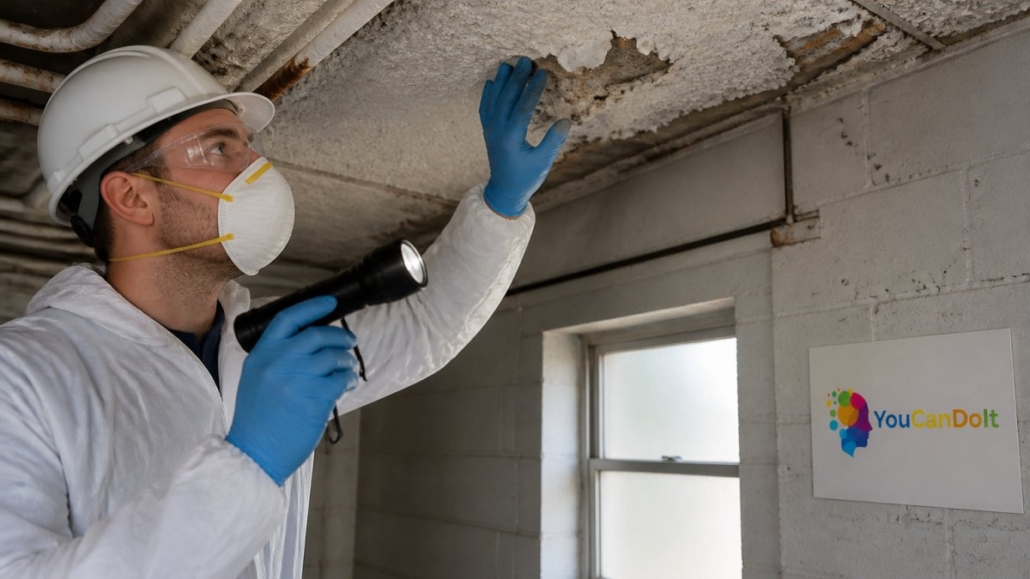
How to Identify Asbestos in Older Buildings: 7-Step Guide
Last Updated: October 23, 2026
Quick Summary
To identify asbestos in older buildings, check the asbestos register and building age first, then walk the site recording suspect materials without disturbing them. You cannot confirm asbestos by sight alone, so stop work near suspects and arrange a survey or sampling by a competent person.
- Any building constructed or refurbished before 2000 may contain asbestos.
- Visual checks only show a material is suspect; laboratory analysis confirms presence and fibre type.
- A refurbishment survey is needed before you alter the building fabric.
- Under the Control of Asbestos Regulations 2012, the duty to manage falls on the person responsible for maintenance and repair.
- Brief your team on the asbestos register during site induction, not after.
Table of Contents
- Why Identifying Asbestos in Older Buildings Matters Before You Start Work
- Where Asbestos Is Found in Buildings: Common Locations to Check
- What Does Asbestos Look Like? Visual Identification Limits
- Step-by-Step: How to Identify Asbestos Risk in an Older Building
- Asbestos Survey Types: Management vs Refurbishment vs Demolition
- What to Do If You Find Asbestos: Immediate Actions and Legal Duties
- Common Mistakes When Trying to Identify Asbestos on Site
- Frequently Asked Questions
Why Identifying Asbestos in Older Buildings Matters Before You Start Work
Asbestos is a naturally occurring mineral fibre that was widely used in construction materials across the UK until it was fully banned in 1999 (Introduction to asbestos safety: Overview). Knowing how to identify asbestos in older buildings is not a paperwork exercise. It is the difference between a safe site and a closed one.
This guide from You Can Do It Training is built for site managers and supervisors who need practical answers, not textbook theory. Below, we show you exactly where to look, what the law expects, and when to stop and call a professional.
Here is the part most guides get wrong: you cannot confirm asbestos by looking at it. You can only spot materials that might contain it. That distinction runs through everything below.
The stakes are high. Breathing in asbestos fibres can cause serious lung disease decades later, and the risks are highest for trades who cut, drill or sand materials without knowing what is inside them. If you manage a site, that risk sits with you.
Where Asbestos Is Found in Buildings: Common Locations to Check
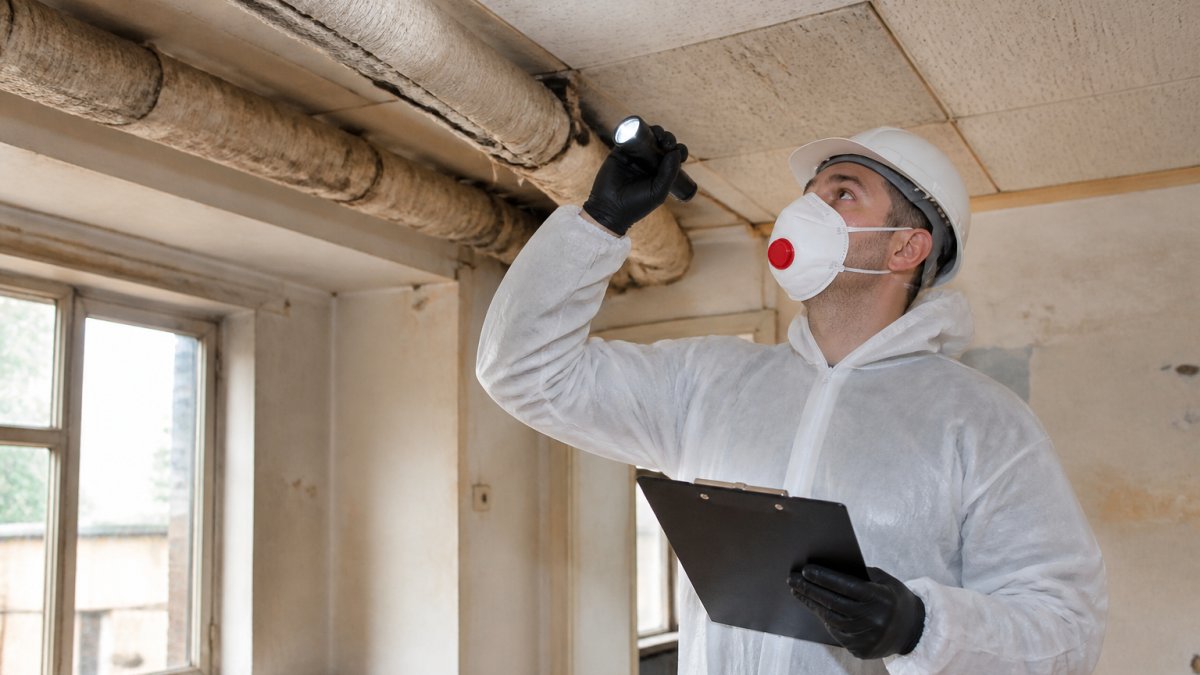
Asbestos hides in plain sight across older buildings. The materials below are the ones we see flagged most often during site inductions and pre-work checks.
Inside the Building Fabric
- Ceiling tiles and textured coatings on ceilings and walls
- Pipe lagging and boiler insulation
- Insulation boards around fireplaces and heaters
- Floor tiles and the adhesive beneath them
- Cement sheets used for roofs and wall cladding
- Textured paints such as older Artex-style finishes
Service Risers, Plant Rooms and Exterior Areas
- Riser cupboards housing pipes and cables
- Plant rooms with old boilers and thermal insulation
- Roof spaces with sprayed coatings on structural steel
- Garage and shed roofs made from cement sheeting
- Rainwater goods such as old gutters and downpipes
A common mistake is assuming a modern-looking refurbishment means the building is clear. Asbestos is often hidden behind newer layers. Check the HSE guidance on where asbestos can be found before you assume a material is safe.
What Does Asbestos Look Like? Visual Identification Limits
Asbestos has no reliable look. It comes in loose fibre, board, cement and spray forms, and each one can resemble harmless materials. White, grey and brown are common colours, but colour tells you nothing certain.
Visual checks only tell you a material is suspect. They cannot confirm presence or fibre type. That needs laboratory analysis.
If you want a plain-language primer on what asbestos is and why eyesight alone is not enough, read our guide on what asbestos is and how to spot the risks.
Never drill, cut or sand a suspect material to “see what’s inside”. Disturbing asbestos releases fibres that stay in the air and in your lungs. The consequence is a potential life-changing illness, not just a failed inspection.
Step-by-Step: How to Identify Asbestos Risk in an Older Building
Use this seven-step method to work through an older building safely. It takes a structured approach and keeps you on the right side of the law.
Step 1: Check the Building Age and Any Asbestos Register
Any building constructed or refurbished before 2000 may contain asbestos. Start with the asbestos register or management survey. If none exists, treat suspect materials as containing asbestos until proven otherwise.
Step 2: Walk the Site and Record Suspect Materials
Walk every area and note what you find. Record the location, material type, condition and access. Photograph each item and label it clearly. Do not disturb anything while you record it.
Our seven-step method at a glance:
| Step | Action | Who Does It |
|---|---|---|
| 1 | Check age and asbestos register | Site manager |
| 2 | Walk the site and record suspects | Supervisor |
| 3 | Stop work near suspect materials | All trades |
| 4 | Arrange a survey or sampling | Competent person |
| 5 | Review the survey report | Site manager |
| 6 | Plan control measures | Dutyholder |
| 7 | Brief the team before work starts | Supervisor |
Steps 3 to 7 are covered in the sections below. Skipping any one of them is where projects go wrong.
Asbestos Survey Types: Management vs Refurbishment vs Demolition
There are three main survey types, and picking the wrong one wastes money. A management survey keeps asbestos in place and manages it during normal use. A refurbishment survey is more intrusive and is needed before you alter the fabric. A demolition survey is fully intrusive and covers the whole structure before it comes down.
If you are unsure which fits your project, our team can talk you through the asbestos management and consultancy options available to arrange the right survey.
What to Do If You Find Asbestos: Immediate Actions and Legal Duties
Stop work immediately. Do not touch, move or clean the material. Cordon off the area, warn everyone on site, and record what you have found. Then arrange an assessment by a competent person before anyone goes back in.
Under the Control of Asbestos Regulations 2012, the duty to manage asbestos falls on the person responsible for maintenance and repair of non-domestic premises. That includes identifying asbestos, assessing its condition, and keeping a written record. The HSE pages on the duty to manage asbestos set out what this means in practice.
Our UKATA asbestos awareness training covers safe working around asbestos-containing materials, health risks and your legal duties.
Brief your team on the asbestos register during the site induction, not after. Trades who know where suspect materials sit are far less likely to drill into them by accident.
Common Mistakes When Trying to Identify Asbestos on Site
The biggest error is guessing. Teams look at a grey board, decide it is cement, and cut into it. That single decision can expose a whole crew.
Other frequent mistakes:
- Relying on memory instead of the register
- Assuming newer decoration means no asbestos beneath
- Skipping a refurbishment survey to save time
- Letting untrained staff handle suspect materials
- Failing to update the register after changes
Training closes most of these gaps. Our guide on asbestos awareness courses for site teams explains what a proper course covers and who needs one.
If you manage the site, your wider duties under CDM 2015 include managing asbestos risk before work begins. Our breakdown of the health and safety responsibilities of a site manager covers this alongside your other legal duties.
Frequently Asked Questions
Can you identify asbestos just by looking at it?
No. You cannot confirm asbestos by sight alone. Materials such as asbestos cement, insulating board and textured coatings can look identical to non-asbestos versions. A visual check only tells you a material is suspect, not whether it contains asbestos. Confirmation requires a sample analysed by a UKAS-accredited laboratory. Treat any suspect material in a pre-2000 building as asbestos until proven otherwise, and keep people away from it until a competent person has assessed it.
What should I do if I suspect asbestos in a building?
Stop work in that area immediately and do not disturb the material. Keep others out, avoid sweeping or vacuuming debris, and do not attempt to remove it yourself. Check the asbestos register or management plan if one exists. Report the finding to the dutyholder or building owner, who must arrange an assessment by a competent person. If the material is damaged or likely to be disturbed, a licensed contractor may be needed. Record the location and condition, and brief the site team before any further work.
What is the difference between an asbestos management survey and a refurbishment survey?
A management survey locates asbestos-containing materials that could be disturbed during normal occupation and maintenance, and it supports an ongoing management plan. A refurbishment or demolition survey is more intrusive: it opens up concealed areas so all asbestos likely to be disturbed by the planned works is found and recorded. Before any refurbishment or demolition, the refurbishment survey is the one you need. Both must be carried out by a competent surveyor, and the survey type should match the work you intend to do.
Can I take an asbestos sample myself?
Taking your own sample is not recommended. Disturbing the material can release fibres, and incorrect sampling can contaminate the area and invalidate the result. Sampling should be done by a competent person using the right controls, with the sample analysed by a UKAS-accredited laboratory. If you are unsure, arrange for a survey instead. For anyone working on older buildings, asbestos awareness training helps you recognise suspect materials and know when to stop and call in a specialist.
Identifying asbestos in older buildings comes down to discipline: check the age, record the suspects, stop work, and get a proper survey. Guessing is how people get hurt.
At You Can Do It Training, we deliver UKATA, PASMA, NPORS and CSCS courses built around real site conditions, with expert instructors and hands-on training designed not to disrupt your programme. Get started with You Can Do It Training and give your team the awareness they need to spot asbestos risk before it stops the job.


Leave a Reply
Want to join the discussion?Feel free to contribute!